

Healthcare facilities generate large volumes of waste every day, much of which requires specialized handling. As sustainability and regulatory awareness continue to grow, medical waste recycling is becoming an increasingly important component of responsible healthcare operations. Recycling appropriate medical waste materials helps reduce environmental impact while supporting safer and more efficient waste management systems.
In the early stages of waste planning, many organizations explore medical waste recycling options to better understand how recyclable materials can be separated, treated, and processed without compromising safety or compliance.
Understanding What Can Be Recycled in Healthcare Settings
Not all medical waste is recyclable, but many materials generated in healthcare environments can be safely diverted from landfills. Items such as certain plastics, packaging materials, non-contaminated supplies, and some treated waste products may be eligible for recycling depending on local regulations and processing methods.
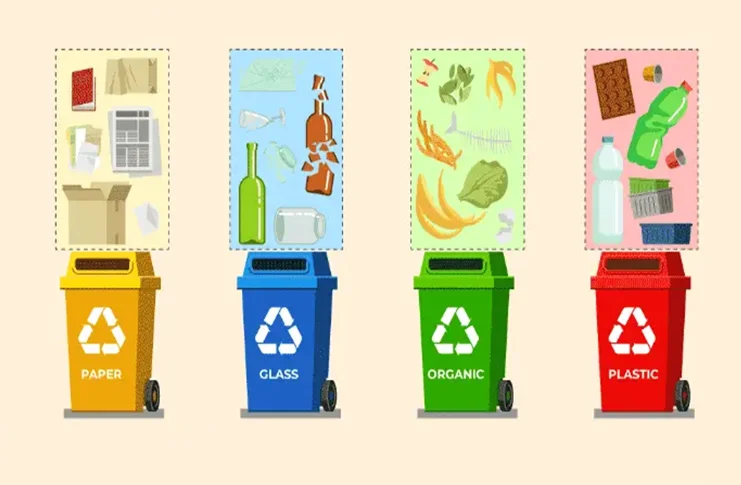
Clear waste segregation is essential. When recyclable materials are properly separated from regulated medical waste, facilities can reduce disposal volumes while maintaining compliance with safety standards.
Environmental Impact of Recycling Medical Waste
Healthcare waste contributes significantly to landfill usage when recycling is not part of a facility’s waste strategy. Recycling helps reduce the amount of waste sent to landfills and minimizes the environmental footprint of healthcare operations.
In another operational context, medical waste recycling supports broader sustainability goals by lowering greenhouse gas emissions associated with waste transport and disposal. Responsible recycling practices also conserve raw materials by reintroducing processed components back into manufacturing cycles.
Safety and Compliance Considerations
Safety remains the top priority when handling medical waste. Recycling programs must follow strict protocols to prevent contamination and exposure risks. Materials intended for recycling must be properly treated or verified as non-hazardous before processing.
Healthcare facilities must also adhere to regulatory guidelines that govern how waste is handled, stored, and transported. Recycling initiatives that align with these regulations help facilities remain compliant while improving waste efficiency.
Reducing Costs Through Waste Diversion
Recycling can also contribute to cost efficiency. By diverting recyclable materials away from regulated disposal streams, facilities may reduce the volume of waste requiring specialized treatment. This can lead to lower disposal costs over time.
Waste audits and proper staff training further improve cost control by ensuring recyclable materials are not mistakenly treated as hazardous waste.
Implementing Effective Recycling Programs
Successful recycling programs rely on education, consistency, and clear labeling. Staff members need to understand which materials are recyclable and how to dispose of them correctly. Simple systems supported by ongoing training help prevent cross-contamination and improve participation.
Professional waste management providers can assist with program design, waste stream analysis, and compliance support.
Supporting Sustainable Healthcare Operations
Sustainability is becoming a key consideration in healthcare management. Recycling programs demonstrate a commitment to environmental responsibility while maintaining patient and staff safety.
Medical Waste Pros works with healthcare organizations to support compliant waste management solutions, including recycling strategies that align with operational needs and regulatory requirements.
Conclusion
Medical waste recycling plays an important role in reducing environmental impact while supporting safe and compliant healthcare operations. By separating recyclable materials, following proper handling protocols, and partnering with experienced waste management providers, healthcare facilities can improve efficiency, reduce waste volumes, and contribute to more sustainable practices over time.
