

Age-related macular degeneration (AMD) is a progressive eye condition that affects central vision and can significantly impact daily life. Being diagnosed with AMD can feel overwhelming, but proper preparation plays a key role in achieving better outcomes. Understanding what to expect and how to get ready-both physically and emotionally-can help patients feel more confident as they begin treatment.
Understanding AMD and Its Impact
AMD primarily affects the macula, the part of the retina responsible for sharp, central vision. As the disease progresses, activities such as reading, driving, and recognizing faces may become more difficult.
There are two main forms of AMD: dry and wet. Each type progresses differently, which means treatment plans are tailored based on disease severity, type, and individual patient needs.
Learning About Your Treatment Options
Before starting therapy, it is important to understand the available options. Treatments may range from lifestyle adjustments and nutritional supplements to injections or laser-based procedures.
Your eye specialist will explain which approach is appropriate for your condition. Having a clear understanding of the treatment for AMD disease helps reduce anxiety and allows you to actively participate in decision-making.
Preparing for Appointments and Procedures
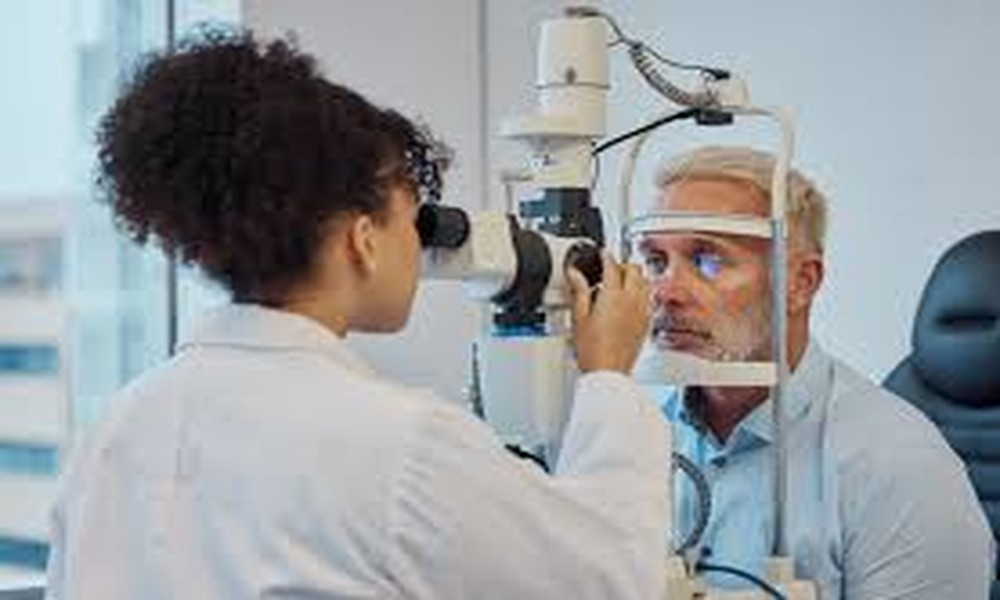
Appointments related to AMD care often involve detailed eye examinations and imaging tests. These assessments help monitor disease progression and guide treatment decisions.
Patients should plan ahead by arranging transportation if vision is impaired, especially for procedures that may temporarily blur vision. Bringing a companion can also provide reassurance and help with post-visit instructions.
Managing Expectations and Emotional Well-Being
It is normal to feel anxious or uncertain when facing a chronic eye condition. Setting realistic expectations about treatment outcomes can help patients cope more effectively.
While some treatments aim to stabilize vision rather than restore it fully, slowing disease progression is a significant success. Emotional support from family, friends, or support groups can be valuable during this adjustment period.
Lifestyle Adjustments That Support Treatment
Healthy lifestyle choices can complement medical care and may help slow AMD progression. Quitting smoking, maintaining a balanced diet rich in leafy greens, and managing blood pressure are commonly recommended.
Protecting eyes from excessive sunlight with UV-blocking eyewear is another simple but effective step. These changes support overall eye health and reinforce the benefits of ongoing treatment.
Nutrition and Supplement Guidance
Certain vitamins and minerals have been shown to support macular health, particularly in patients with intermediate or advanced AMD. Supplements are often recommended based on specific clinical guidelines.
Patients should discuss supplement use with their healthcare provider to ensure safety, especially if they have other medical conditions or take multiple medications.
Preparing for Long-Term Care
AMD is typically a long-term condition that requires ongoing monitoring. Regular follow-up visits are essential to detect changes early and adjust treatment as needed. Patients should become familiar with home monitoring tools, such as visual distortion checks, and promptly report any sudden changes in vision to their eye doctor.
Communicating Effectively With Your Care Team
Open communication with your ophthalmologist and healthcare team is vital. Patients should feel comfortable asking questions about procedures, side effects, and follow-up care. Keeping a list of concerns or symptoms between visits can make consultations more productive and ensure no important details are overlooked.
Staying Independent and Adaptable
Vision changes can affect daily routines, but adaptive strategies can help maintain independence. Low-vision aids, improved lighting, and assistive technologies can make everyday tasks easier.
Learning to adapt early allows patients to stay engaged in their activities and maintain quality of life throughout the course of AMD disease treatment.
Conclusion
Preparing for AMD treatment goes beyond medical procedures. It involves education, emotional readiness, lifestyle adjustments, and active participation in care. By understanding the process and working closely with their healthcare team, patients can approach treatment with confidence and take meaningful steps toward preserving their vision and independence.
