

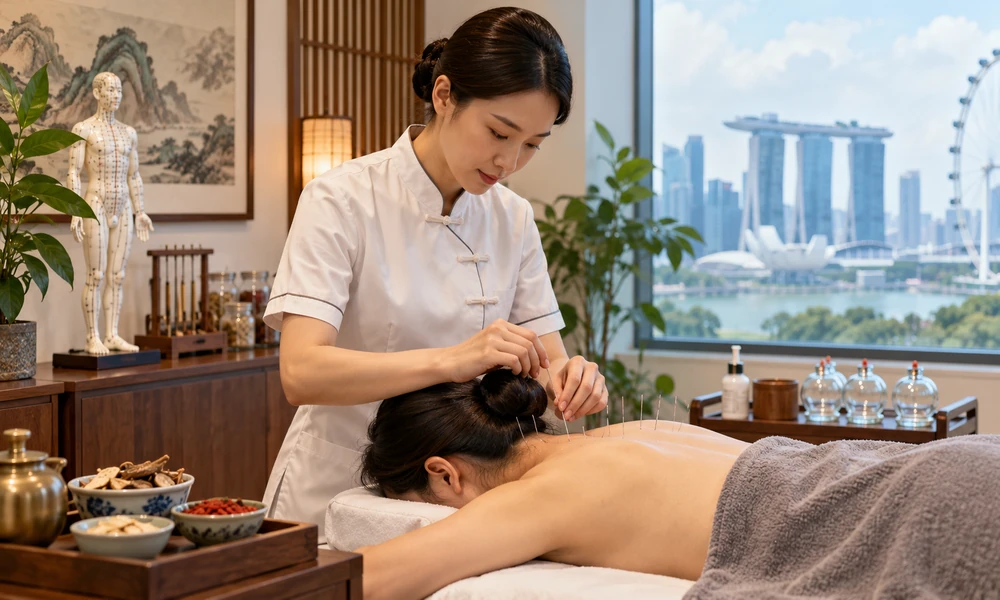
In Singapore, neck and back pain is a daily reality for many office professionals, drivers, healthcare workers, service staff, and active adults. Long hours at a desk, heavy device use, physical work, and limited recovery time can turn mild stiffness into recurring discomfort. Traditional Chinese Medicine can offer a practical complementary path for people who want more than short-term relief. A trusted provider such as Y TCM helps patients explore acupuncture, Tuina, and personalised care with attention to safety and suitability. If you are comparing a tcm clinic for pain management singapore, choosing the right team can make your care feel clearer, more structured, and more reassuring.
Common causes of persistent neck and back discomfort among Singapore professionals
Persistent pain often builds slowly, especially when daily routines place repeated strain on the neck, shoulders, and lower back. In Singapore’s fast-paced work culture, many people sit for long periods, look down at screens, or work through discomfort until it becomes harder to ignore. Physical workers may also experience strain from lifting, standing, bending, or repetitive movement. Understanding the likely causes helps you choose care that fits your body and lifestyle.
Common contributors include:
- Prolonged sitting with poor posture
- Laptop and phone use that strains the neck
- Stress-related shoulder and back tension
- Repetitive lifting or twisting at work
- Weak core muscles and limited mobility
- Old injuries that were never fully addressed
Y TCM takes time to understand how your pain affects your work, sleep, movement, and daily comfort. This matters because pain management should not feel like a one-size-fits-all appointment.
When recurring musculoskeletal pain needs a conventional medical assessment
Not every case of neck or back pain should begin with complementary care alone. Some symptoms may point to nerve involvement, injury, inflammation, or other medical conditions that need prompt assessment. A responsible TCM provider should recognise when a patient may need conventional medical attention before or alongside TCM treatment. This helps protect your safety and supports better long-term outcomes.
Seek medical assessment if you experience:
- Pain after a fall, accident, or major injury
- Numbness, weakness, or tingling in the arms or legs
- Loss of bladder or bowel control
- Fever, unexplained weight loss, or severe night pain
- Pain that worsens quickly or does not improve with rest
- Difficulty walking, gripping, or performing normal tasks
Y TCM’s value lies not only in offering TCM care, but also in helping patients think clearly about treatment suitability. That practical, safety-conscious approach is important when pain has lasted for weeks or keeps returning.
Acupuncture as a complementary option for managing chronic pain
Acupuncture is often considered by people who want a non-surgical, drug-free complementary option for pain management. It is commonly used to support relief from muscular tension, stiffness, and discomfort linked to chronic neck and back issues. Results vary from person to person, so it is important to have a proper consultation before starting treatment. At Y TCM, acupuncture may be recommended only after your symptoms, health history, and comfort level are reviewed.
Acupuncture may be considered for:
- Neck stiffness linked to long screen hours
- Lower back discomfort from sitting or physical work
- Shoulder tension related to stress or posture
- Recurring muscular tightness that affects movement
- Pain patterns that need ongoing supportive care
A good clinic will explain what to expect before treatment begins. This includes the proposed approach, session frequency, possible sensations, and when to review progress.
Tuina massage and its potential role in addressing muscular tension
Tuina is a hands-on TCM therapy that may help address muscle tightness, restricted movement, and areas of tension. For people who feel “knots” in the shoulders, stiffness in the upper back, or lower back tightness after work, Tuina may offer targeted support. It is not simply a relaxation massage, so it should be performed by trained practitioners who understand body mechanics and patient comfort. Y TCM offers Tuina as part of a wider care approach rather than treating it as a quick fix.
Tuina may support people who experience:
- Muscle tightness from prolonged desk work
- Shoulder and upper back tension
- Lower back stiffness after standing or lifting
- Reduced mobility due to recurring tightness
- General discomfort linked to poor posture habits
The benefit of choosing a clinic like Y TCM is the consultation-led approach. Your care can be adjusted based on your pain level, sensitivity, and overall condition.
Comparing TCM pain management services and practitioner qualifications in Singapore
When comparing TCM clinics in Singapore, price should not be the only deciding factor. Pain management requires careful assessment, clear communication, and qualified practitioners who understand when TCM is suitable. You should feel comfortable asking about the practitioner’s experience, treatment options, and how progress will be reviewed. Y TCM stands out by offering a structured and patient-focused experience for people seeking a tcm clinic for pain management singapore.
Look for a clinic that offers:
- Qualified and experienced TCM practitioners
- A clear consultation before treatment
- Honest discussion of suitability and expectations
- Acupuncture and Tuina options where appropriate
- A clean, professional, and comfortable environment
- Practical advice that supports daily recovery habits
A good clinic should never rush you into treatment without understanding your pain history. Y TCM’s approach gives patients more confidence because the care begins with listening, assessment, and practical guidance.
Workplace ergonomics and movement habits that support spinal health
TCM can play a useful role, but daily habits also matter when managing neck and back discomfort. Many Singapore professionals spend hours in positions that quietly overload the spine, shoulders, and hips. Small changes to your workstation and movement routine can reduce repeated strain and support better treatment outcomes. Y TCM can complement this by helping you understand where tension may be building and how to support your body between sessions.
Helpful workplace habits include:
- Keep your screen near eye level
- Sit with your feet supported on the floor
- Take short movement breaks every 30 to 60 minutes
- Avoid holding your phone between your ear and shoulder
- Stretch gently instead of forcing painful movements
- Alternate sitting and standing when possible
For physically demanding jobs, pacing and recovery are just as important. Proper lifting technique, supportive footwear, and early care for recurring strain can help prevent pain from becoming harder to manage.
Treatment suitability, safety considerations, and realistic pain relief expectations
Pain relief is personal, and no responsible clinic should promise guaranteed results. Your response may depend on the cause of pain, how long it has been present, your general health, and whether there are underlying medical issues. A careful consultation helps determine whether acupuncture, Tuina, or another approach may be suitable. Y TCM focuses on realistic support, not exaggerated claims.
- How long the pain has been present
- Whether the pain is mild, moderate, or severe
- Any existing medical diagnosis or medication use
- Past injuries, surgeries, or nerve symptoms
- Your comfort with acupuncture or hands-on therapy
- Whether you also need medical imaging or a doctor’s review
This balanced approach helps you make a safer and more informed choice. It also helps ensure your care plan is based on your actual condition, not a generic treatment package.
Building a sustainable pain management plan through coordinated healthcare
Sustainable pain management often works best when several strategies support each other. TCM may help with symptom management, while exercise, ergonomics, medical care, sleep, and stress management all play important roles. For many people, the goal is not only to feel better for a few days, but to move, work, and live with more confidence. Y TCM can be a valuable partner in that wider plan by offering personalised TCM care and practical guidance.
A stronger long-term plan may include:
- TCM consultation and suitable therapy
- Medical assessment when warning signs are present
- Strength and mobility exercises
- Better desk setup and movement breaks
- Stress reduction and adequate rest
- Regular review of progress and symptoms
If neck or back pain keeps interrupting your work or daily routine, it may be time to seek support. Visit Y TCM to book a consultation and discuss whether their TCM pain management services are suitable for your condition.
