

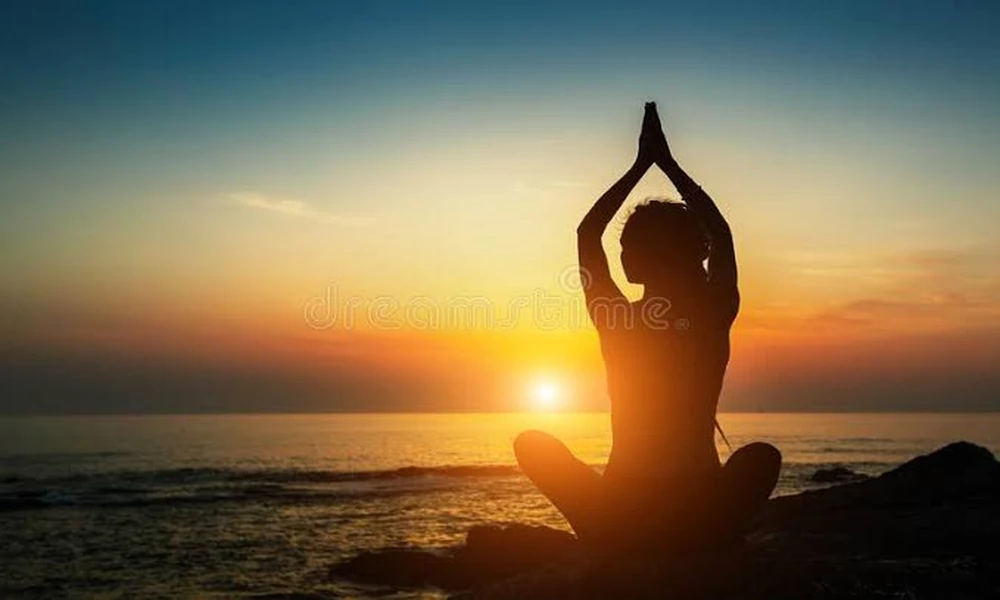
After a long day of work, travel, household responsibilities, or screen time, it can be difficult to immediately switch into a relaxed state. The body may feel stiff from sitting, while the mind may continue thinking about unfinished tasks.
A gentle yoga routine can provide a simple transition between a busy day and a quieter evening. You do not need an advanced practice or a long session. A few comfortable movements, combined with steady breathing, can be enough to create a relaxing routine.
Why Practice Yoga in the Evening?
The evening is a natural opportunity to slow down. Instead of moving directly from work or daily responsibilities into dinner, entertainment, or bedtime, you can use a short yoga session as a transition.
Gentle yoga may help you:
- Release some everyday muscle tension
- Move after prolonged sitting
- Pay attention to your breathing
- Create a screen-free break
- Prepare mentally for a quieter evening
- Develop a consistent self-care routine
The goal is not to perform difficult poses. Evening practice should feel comfortable and unhurried.
Preparing for an Evening Yoga Routine
You can practice at home with very little equipment. A yoga mat is useful, but a comfortable, non-slip surface can also work for simple movements.
Before beginning:
- Choose a quiet space.
- Wear comfortable clothing.
- Keep the lighting soft if possible.
- Avoid practicing immediately after a heavy meal.
- Keep water nearby.
- Put your phone on silent or leave it aside.
Start with a few slow breaths and notice how your body feels before moving.
How Long Should an Evening Routine Be?
There is no fixed duration. A beginner can start with 10 minutes and gradually increase the session if it feels comfortable.
A simple routine might include:
- 2 minutes of slow breathing
- 5 minutes of gentle movement
- 5 minutes of comfortable stretches
- 2 to 3 minutes of quiet relaxation
Consistency is generally more practical than trying to complete a long routine occasionally.
How evening yoga Can Help You Unwind
Evening yoga can create a clear boundary between daytime activities and personal relaxation time. The slower pace of an evening session may encourage you to pay attention to your movements and breathing instead of continuing to rush through tasks.
The key is to choose movements that feel gentle rather than physically demanding. You should be able to breathe comfortably throughout the practice.
Gentle Poses to Try After a Busy Day
1. Child’s Pose
Child’s Pose is a simple resting position that can be included near the beginning or end of a routine.
Kneel comfortably and slowly lower your upper body toward the floor. You can extend your arms forward or keep them beside your body.
Stay in the position for several comfortable breaths.
If your knees or hips feel uncomfortable, adjust the position or use a cushion for support.
2. Cat-Cow Stretch
Cat-Cow can be useful after spending several hours sitting.
Start on your hands and knees. Slowly alternate between gently rounding your back and creating a comfortable arch while coordinating the movement with your breathing.
Move slowly rather than trying to achieve a large range of motion.
3. Seated Forward Fold
Sit comfortably with your legs extended or slightly bent. Slowly lean forward only as far as feels comfortable.
There is no need to touch your feet or force your torso toward your legs. The focus should be on a gentle stretch and steady breathing.
4. Supine Twist
Lie on your back with your knees bent. Allow your knees to move gently toward one side while keeping your upper body comfortable.
Return to the center and repeat on the other side.
Use a cushion or reduce the range of movement if necessary.
5. Legs-Up Variation
Lie on your back and place your lower legs on a chair or sofa. Allow your arms to rest comfortably beside you.
This supported position can be a quiet way to finish a gentle routine. Remain there for a few minutes while breathing naturally.
Add Breathing to Your Practice
Breathing can make your evening routine feel slower and more deliberate.
Try inhaling gently through your nose and allowing the exhalation to happen slowly. Avoid forcing the breath or holding it for long periods.
You can coordinate breathing with movement. For example, inhale while opening or lengthening the body and exhale while returning to a relaxed position.
The breathing pattern should remain comfortable throughout.
A 15-Minute Evening Yoga Sequence
If you want a simple routine to follow, try this structure:
Minutes 1-2: Quiet breathing
Sit comfortably and observe your natural breathing.
Minutes 3-5: Cat-Cow
Move slowly through several comfortable repetitions.
Minutes 6-8: Child’s Pose
Rest and breathe naturally.
Minutes 9-11: Seated stretch
Perform a gentle seated forward fold without forcing the movement.
Minutes 12-13: Supine twist
Move slowly from one side to the other.
Minutes 14-15: Quiet relaxation
Lie down comfortably and allow your breathing to return to its natural rhythm.
This routine can be shortened or modified depending on your comfort level.
Using asanas Safely in the Evening
Gentle asanas can be a useful part of an evening routine, but comfort should always take priority over flexibility or performance.
Keep these points in mind:
- Move slowly into each position.
- Never force a stretch.
- Avoid bouncing during stretches.
- Stop if you experience sharp or unusual pain.
- Use cushions or other support when helpful.
- Modify poses according to your mobility.
- Allow yourself enough space to move safely.
If you have an injury, persistent pain, balance concerns, or a medical condition that affects movement, consider getting guidance from an appropriate healthcare or yoga professional before starting a new routine.
Common Mistakes to Avoid
Choosing Difficult Poses
An evening routine does not need advanced poses. Simple movements can be enough.
Moving Too Quickly
Rushing through poses can defeat the purpose of creating a slower transition at the end of the day.
Holding Your Breath
Breathing should remain natural and comfortable. Avoid breath-holding unless you are following a technique you have learned appropriately.
Treating Flexibility as the Goal
You do not need to stretch as far as possible. Focus on comfortable movement.
Using Your Phone Throughout the Session
Checking messages between poses can make it harder to create a genuine break. Prepare your routine beforehand and keep the phone aside if possible.
Final Thoughts
A gentle evening yoga routine can be a practical way to transition from a busy day into a calmer part of your evening. You do not need complicated movements or a long session. Simple stretches, comfortable poses, and steady breathing can form a routine that is easy to repeat.
Start with a few minutes and choose movements that feel comfortable. With regular practice, your evening routine can become a consistent opportunity to slow down, move your body, and give yourself some quiet time.
FAQs
1. Is evening yoga suitable for beginners?
Yes. Beginners can start with gentle movements and simple poses. There is no need to begin with advanced yoga techniques.
2. How long should I practice yoga in the evening?
A 10- to 15-minute routine can be a practical starting point. You can adjust the duration according to your schedule and comfort.
3. Can I do yoga before going to bed?
Gentle yoga may fit into a bedtime routine, but avoid movements that feel highly stimulating or physically demanding if your goal is to wind down.
4. Should I eat before evening yoga?
It is generally more comfortable to avoid practicing immediately after a heavy meal. Give yourself time to digest before exercising.
5. What should I do if a yoga pose causes pain?
Stop the movement and return to a comfortable position. Do not force through pain. If discomfort persists, consider seeking appropriate professional guidance.
