

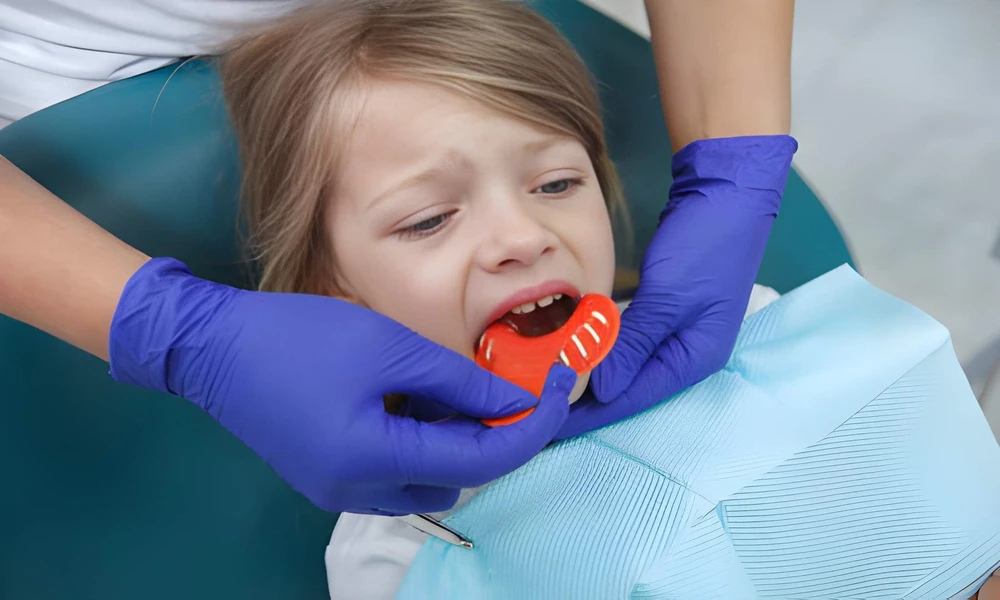
As a parent, it is easy to overlook subtle changes in your child’s smile. After all, kids lose baby teeth, grow at different rates, and often go through awkward dental stages. Still, some signs can point to underlying jaw development issues that may benefit from a palatal expander. Identifying these concerns early can make a real difference in your child’s oral health and future orthodontic needs.
If you are considering early orthodontic treatment for your child, it may help to know what orthodontists look for when evaluating young patients. Belle Orthodontics offers the best early orthodontic treatment Belleville, where their experienced specialists conduct early assessments to identify jaw growth issues before they become more complicated.
What Is a Palatal Expander?
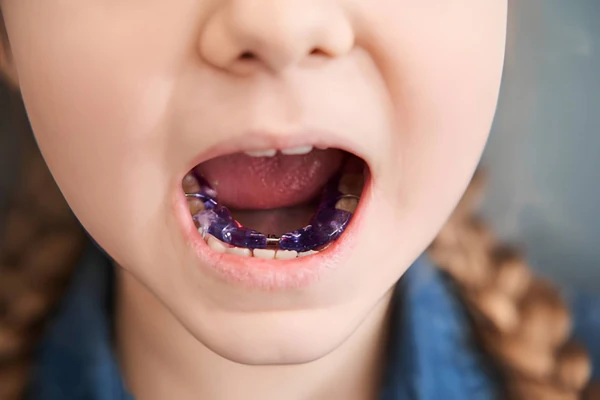
A palatal expander, sometimes called a maxillary expander, is an orthodontic appliance designed to gradually widen the upper jaw. This creates additional space for developing teeth, improves bite alignment, and can help support proper jaw growth. Because children’s jawbones are still growing, expanders tend to be most effective during the younger years.
Look for These Common Signs
While only an orthodontic evaluation can determine whether treatment is necessary, there are several signs worth paying attention to:
1. Crowded or Overlapping Teeth
If permanent teeth seem to be coming in crooked, overlapping, or without enough room, a narrow upper jaw may be part of the problem. Expansion can create additional space and may reduce future crowding concerns.
2. Crossbite
A crossbite can occur when a few upper teeth sit inside your child’s lower teeth when biting down. This is one of the most common reasons orthodontists recommend palatal expansion. If not treated, it can affect the function of jaw growth and bite function.
3. Difficulty Chewing or Biting
Children who frequently struggle while chewing or complain that their teeth do not fit together properly may have bite-related issues connected to jaw development.
4. Mouth Breathing
This one surprises many parents. A narrow upper jaw can sometimes contribute to restricted airflow and chronic mouth breathing. Improving the width of the upper jaw may help support better nasal airflow.
5. Speech Difficulties
Certain jaw and bite problems can influence speech development. If your child struggles with particular sounds or has ongoing speech concerns, an orthodontic evaluation may be worthwhile.
6. Prolonged Thumb-Sucking Habits
Long-term thumb sucking can affect the shape and growth of the upper jaw. In some cases, expansion becomes necessary to correct changes caused by these habits.
Why Early Evaluation Matters
The American Association of Orthodontists recommends an orthodontic evaluation around age seven. That does not mean every child will need treatment right away. Sometimes monitoring growth is all that is needed. Even so, early examinations allow orthodontists to spot developing concerns before they become larger issues.
Final Thoughts
Learning that your child may need orthodontic treatment can feel a little overwhelming, but early intervention often leads to simpler and more effective outcomes. Signs such as crowding, crossbites, mouth breathing, or jaw development concerns are worth evaluating.
A palatal expander can help create space, support healthy growth, improve function, and reduce the likelihood of more complex orthodontic treatment later in life.
