

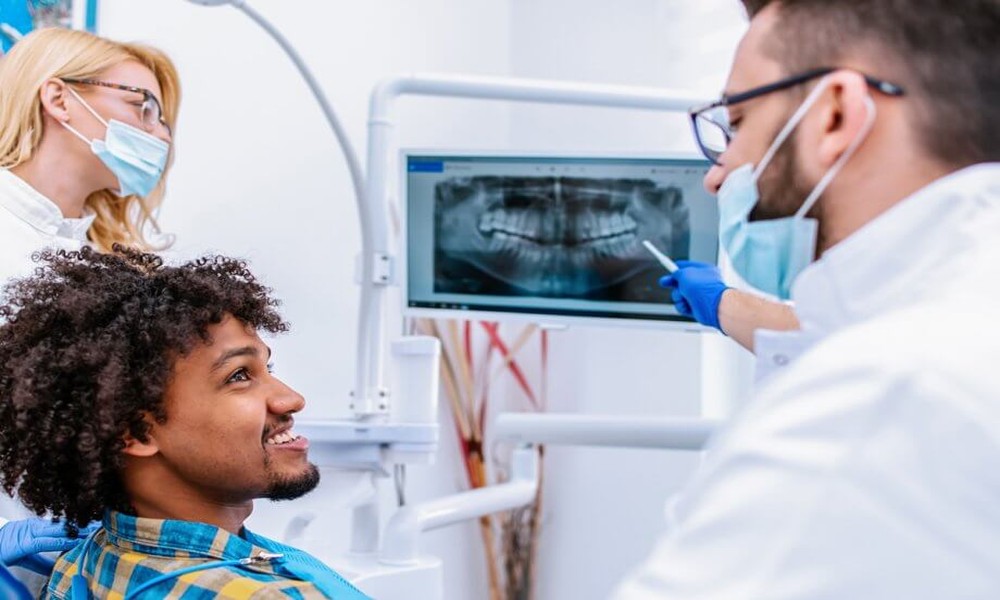
Seeing the same general dentist on a regular schedule protects your mouth and your body. You build trust. You share your concerns sooner. You stay ahead of problems before they grow painful or costly. A familiar Wynnewood dentist knows your history, your habits, and your fears. That memory guides every exam, every cleaning, and every choice. Regular visits reveal small changes that a new provider might miss. They also support steady routines at home, which lowers your risk for decay, infection, and tooth loss. Strong teeth help you eat, speak, and sleep with less strain. They also lower stress on your heart, lungs, and joints. This blog explains four clear benefits of staying with one general dentist over time. You will see how that steady relationship can reduce emergencies, protect your budget, and support your health.
Benefit 1: Earlier detection of problems
When you see the same dentist, small changes stand out. Your dentist remembers how your gums looked last year. Your dentist remembers that tooth that felt a little sensitive. This memory speeds up the detection of new trouble.
Routine visits allow your dentist to track:
- New spots of decay on teeth that were once sound
- Shifts in gum color, shape, or bleeding
- Wear from grinding or clenching
The National Institute of Dental and Craniofacial Research explains that tooth decay and gum disease grow over time and often stay quiet at first. You can read more on their prevention guidance here NIDCR tooth decay information.
With a regular dentist, tiny changes do not blend into the crowd. They stand out. That means treatment stays smaller. You face fewer root canals, extractions, or long recoveries.
Benefit 2: More personal and calmer care
Dental fear is common. Many people wait until pain forces them into a chair. A steady dentist can change that pattern.
Over time, your dentist learns:
- What noises or tools bother you
- How much local anesthetic you need
- Which words and explanations help you relax
This personal knowledge shapes each visit. Your dentist can plan shorter visits for a child who gets restless. Your dentist can schedule longer visits for you if you ask many questions. This reduces stress for you and for your family.
Trust builds when you see the same face and hear the same voice. You know what to expect. You speak up sooner. You ask about that sore spot or that chipped tooth. This honest talk leads to better choices and fewer surprises.
Benefit 3: Stronger prevention and home habits
Prevention works best when it follows a clear plan. Regular visits with one dentist help you build that plan and stick to it.
Your dentist can:
- Check if your brushing and flossing leave plaque behind
- Review your diet and drink choices that raise your risk
- Adjust fluoride use and sealants based on past cavities
The Centers for Disease Control and Prevention reports that children with untreated cavities miss more school and struggle with eating and speaking. You can see their data here CDC oral health conditions.
A long-term dentist sees how your mouth reacts over the years. You receive advice that fits your life, not generic tips. You can set three clear goals at each visit. For example
- Brush two minutes twice each day
- Floss once each day before bed
- Limit sugary drinks to mealtimes only
At the next visit, your dentist checks in. You review progress. You reset goals. This steady feedback builds strong habits for you and your children.
Benefit 4: Fewer emergencies and lower long-term costs
Dental emergencies often start as small problems that are easy to treat. A regular dentist catches those early. That means fewer late-night visits and less missed work or school.
Here is a simple comparison of what often happens with and without regular care.
|
Situation |
With one regular dentist |
With no steady dentist |
|---|---|---|
|
Small cavity |
Found on routine X-ray. Simple filling. Short visit. |
Ignored until pain starts. Larger filling or root canal. |
|
Gum bleeding |
Discussed early. Cleaning and home care plan. |
Progresses to gum disease. Deep cleaning or tooth loss. |
|
Broken filling |
Spotted at checkup. Planned repair during work hours. |
Breaks while eating. Emergency visit and higher stress. |
|
Costs over time |
More cleanings. Fewer major procedures. |
Fewer cleanings. More crowns, root canals, or extractions. |
Routine checkups and cleanings cost less than large repairs. When you keep the same dentist, your record shows patterns. Your dentist can suggest smart timing for X-rays, sealants for children, or mouth guards for grinding. This planning protects your budget.
How to build a lasting relationship with your dentist
You can gain these four benefits with a few steady steps.
- Schedule your next visit before you leave the office
- Keep a list of questions on your phone and bring it along
- Share changes in your health, medicines, or life stress
Also, ask your dentist to explain each finding in clear words. Ask for simple next steps. Ask what you can do at home this week, this month, and this year.
Consistency is the key. The more your dentist sees you, the clearer your story becomes. That story guides care that fits your body, your fears, and your daily life.
Taking the next step
Your mouth affects how you eat, speak, and connect with people. It also links to your heart health, blood sugar, and breathing. By choosing one general dentist and staying with that person, you protect more than your smile. You protect your whole body and your peace of mind.
Set your next routine visit now. Then keep it. Over time, you will notice fewer surprises, shorter visits, and a stronger sense of control over your health.
